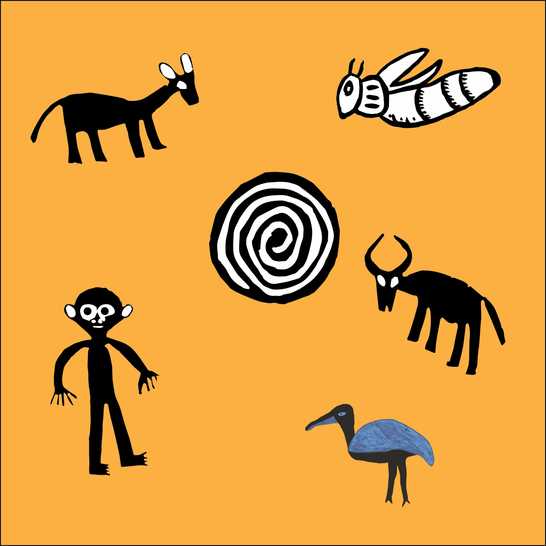
Pensab ge ge ǂoaǂamsa ǃau-ao i, Kalahari ǀGowagu ǃnâ. ǁÎb ge kausa xamarin ǀkha gere ǁarusī, tsî ǀaokhoena ǃgâise gere ǂûmā. Pam-Pam ti ǀon hâ ani ǃnôas ge ge hâ i, Pensab gere ǃkhō ǂgao sa. Nē anis di ǂareǃamgu ge ǁgauga kuru-ūs ǃaroma ge ǃgâi i. ǁÎb ge nē anisa ǃkhōs tamas ka io ǂnoahōs ǀkha ǃgomsiba ge ūhâ i. Pensab di ǁgaugu ge anis khami ǂoab ǃnâ nî ǁkhana ǁkhā, ǁîb ga Pam-Pam anisa ǃkhōhō, tsî ǂareǃamga ǂgaeǂui ǁkha hâ-o.
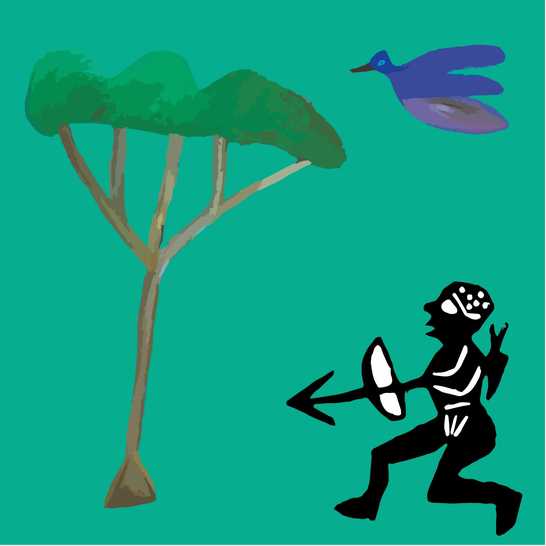
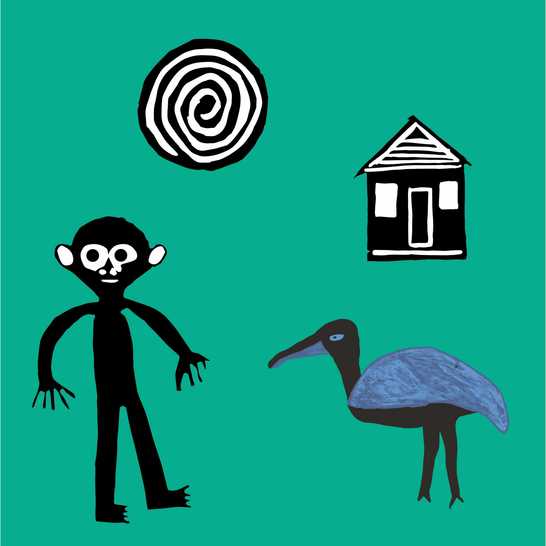
Pensa was the best hunter in the whole Kalahari Desert. He brought home fat animals and fed his family well.
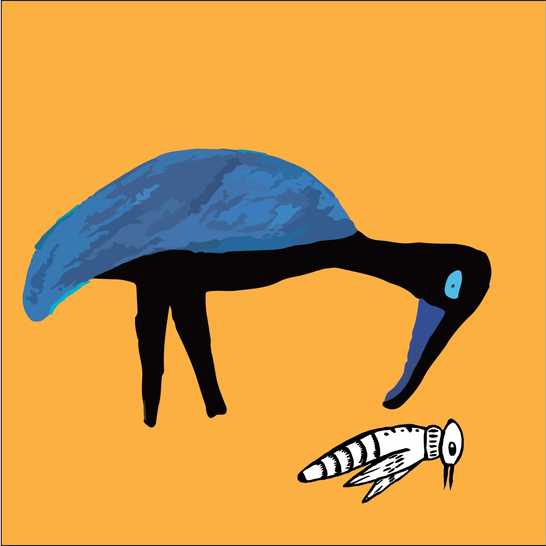
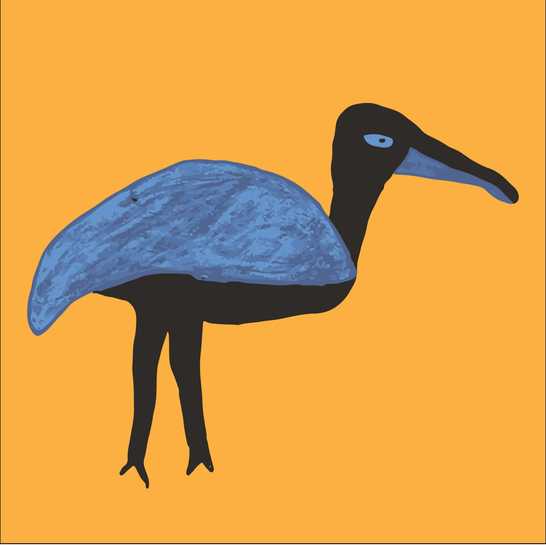
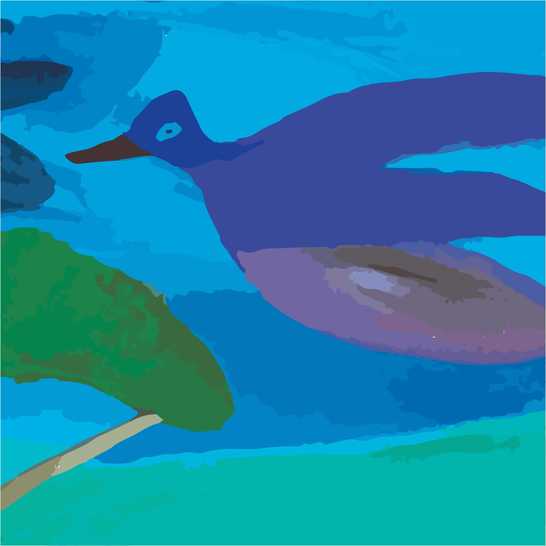
There was this bird, the Pam-Pam bird, which Pensa wanted to catch. The bird’s tail feathers were perfect for his arrows. The problem was, he could never manage to trap or shoot Pam-Pam.
Pensa’s arrows would fly through the air just like a bird – if only he could catch Pam-Pam and pull out his tail feathers!
Pensab ge ǁîn gā-ai ǂgauǂgau-aob tawa ge sī. ǁÎb ge huiba ge si ǂgan. “Toxoba ǁgauǃnâ te re mâti ta Pam-Pam anisa nî ǃkhō ǀgausa. ǁÎs ǃamga ta ge khāsa ta nî kuru-ū ga ra ǂhâba. Tare-e tani dī ǁîsa ǃkhōs ǃaroma?” ǂGauǂgau-aob ge ra ǃereambi “ǃGû îts ǀaesa si khau, hoa xoxon ga ǀaesa xu ǃkhoe, ots ge hoan xa ǂkhari xoxo-e nî ǃkhō. ǃNuisa kuru, î nē xoxoro-e ǁîs ǃnâ ǂgā. Nē ǀgaub ais ge Pam-Pam anisa ǃâitsâb ǃnâ nî ǂgâ.”
Pensa went to the wise man, their healer. He asked for help. “Please guide me to catch the Pam-Pam bird. I need his feathers for my bow and arrows. What must I do to catch him?”
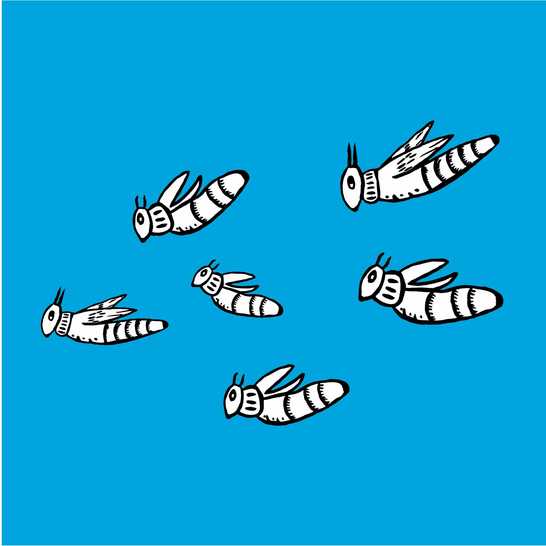
The healer replied, “Go and make a fire. When all the insects run away from your fire, you must catch the smallest of them. Make a trap and place this little insect inside your trap. It will tempt the Pam-Pam bird.”
Pensab ge ǂgauǂgau-aob tsî Pam-Pam anis hâra ge khoeǀhōgu i ǃkhaisa ge ǀū-i. Nē anis ge soan ǃnâ ǂgauǂgau-aoba gere sari. ǁÎra ge ǂhôana gere ǀgoragu. “ǃKhâikhom si ta ge ra, tib ge ǂgauǂgau-aoba saribis ge Pam-Pam anisa o, ge mî. ǃAu-aoba ta ge mâtib nî ǃkhōsi ǃkhaisa go mîba. ǃGarob ǃnâs ga khaura ǀaesa mû, os ge ǃnūse nî ǁkhanabē. Saro xa i nî tari-e dan ǃkhaisa ta ge ra mû ǂgao.”
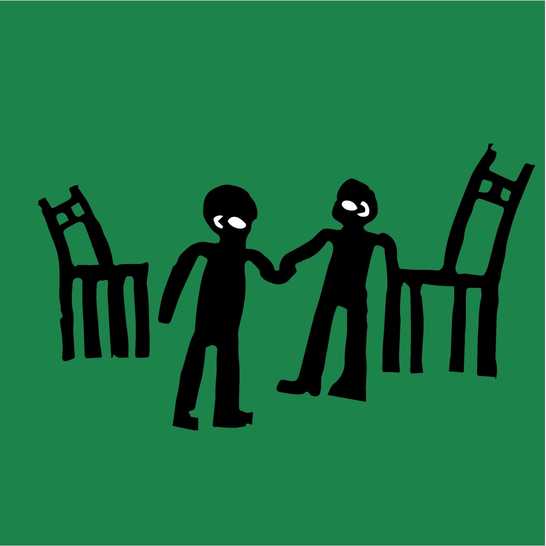
Pensa did not know that the healer and the Pam-Pam bird were friends. Pam-Pam often visited the healer. They exchanged stories. “I warn you,” said the healer when Pam-Pam bird visited him, “I have told the hunter how to catch you. When you see a fire in the veld, you must fly far away. I want to see which one of you will win.”
Pensab ge Pam-Pam anisa ǃaus ǀkha ge tsoatsoa. ǃGarob ǃnâb ge Pensaba ǀaesab ra khau-ū haikha ǃomra ǃnâ ra ǁnû. ǀAni ge hâ, ob ge haigu ai ge ǁgoe i ǀgâga ge ǃnâi tsoatsoa, ǀaes nî ǃkhō-am tsî khaus kōse. ǁHawu ra ǀgâna xun ge xoxona ge ǁkhanabē, xaweb ge Pensaba ǂkham ǂhomma ge ǃkhō, tsî ǁîba ǁnôas ǃnâ ge ǂgā.
In the meantime, Pensa started his hunt for the Pam-Pam bird. He sat in the veld and rubbed and rubbed his fire sticks. When the smoke appeared, he blew into the fine grass around his fire sticks, until the little flame appeared and became a fire.
The insects around the flaming grass flew away, but Pensa managed to catch a young grasshopper. He put it into his trap.
Pam-Pam anis ge nē ǁkhoaxa ǂkham ǂhommi hîa Pensab ǁnôas ǃnâ hâba kaise ge tura. ǁÎs ge ǃhaeses nî ǁkhanaǁgôa tsî ǃnoesase ǁîs gaxu ammi ǀkha ǁgomkhâi ti ge mîǁgui. Pensab ge nē anis āba ra ǁnâu, “Pam-pam, pam-pam, pam-pam.” Pensab ge ǃhaese ǁîb ǁnôas ǁga ge ǃkhoe. Anis ge go ǃkhōhe!
The Pam-Pam bird could not resist the juicy young grasshopper in Pensa’s trap. He decided to fly down and grab it quickly with his sharp beak.
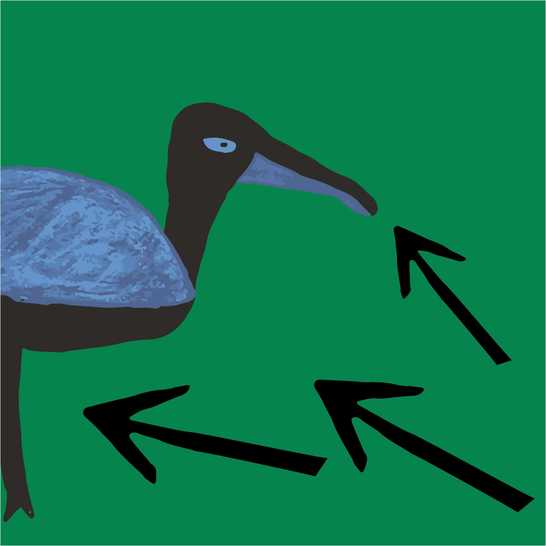
Pensa heard Pam-Pam bird’s cry, “Pam-pam, pam-pam, pam-pam.”
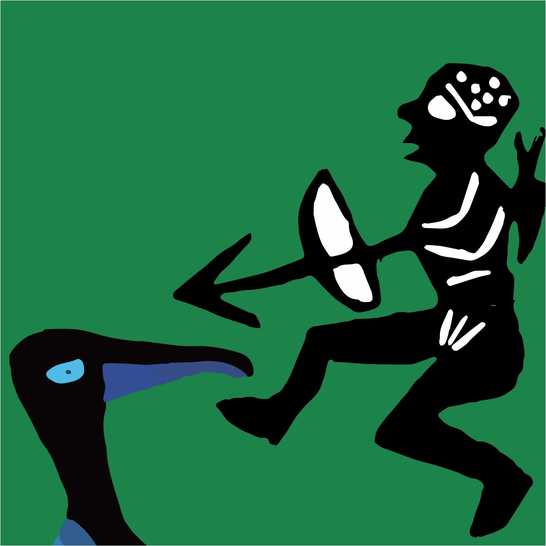
Pensa ran to his trap. The bird was trapped!
Pam-Pam anis ge Pensaba ra ǀkhoma, ǁîsa ǃnora kais ǃaroma. “Tātsē,” tib ge Pensaba ra mî. “Tita ge sasa kaise gaxuse gere ǃkhō ǂgao. Nētsēs ge a ti! Sa ǃamgu ge ti ǁgauba ǂoab ǃnâ ǃgâise nî ǁkhana kai, sas khami.”
Pam-Pam bird begged Pensa to set him free. “Oh no,” said Pensa, “I have wanted to catch you for a very long time. Today you are mine! Your feathers will make my arrow fly through the air, just like you.”
“Titats ga ǃgam ots ge ǃamna ūhâ tide nēgu ga toa o, tita ǁō hâ xui-ao, ǃnora kaitets ga, o ta ge mâ ǀoasa ǁkhâb hoaba nî ǃamga mā tsî,” tis ge Pam-Pam anisa ge mî.
Pam-Pam bird screeched, “If you kill me you will have no more feathers for your arrow when these are worn out, because I will be dead. Set me free and I promise to give you new feathers with each full moon.”
Pensab ge Pam-pamsa ge ǃnora kai. ǃGûbēs ra khamis ge nē anisa ǂgomǁoase ra ǂâi, “Amabes ǃnâ ta go ǃnora?” timî.
Pensa let Pam-Pam go. As Pam-Pam walked away, he thought, “Am I really free?”
Oms ǁga ǁaru tsîb ge Pensaba ǀasa ǁgauga ge sī kuru. ǁÎb ǀasa ǁgaugan ge mû, on ge khoena ge mî: “Ai … ai, nē ǃau-aoba kō re! ǁÎb ge Pam-Pam anis ǃamga ǁîb ǁgaugu ai mâi hâ. Nēsisab ge ǁîba ǃgâise ǃau tsî ǃgâi ǂûna nî ǀkhī-ūba da. Kai ǁâudība da ge nî ūhâ!”
Pensa went home and made new arrows. When the people saw his new arrows, they exclaimed: “O-o, look at this hunter! He carries the Pam-Pam bird’s feathers in his arrows. Now he will hunt well and bring us good food. We shall have a feast!”
ǁNā ǃoeb ge ǂgauǂgau-aoba nau khoen ǀkha ǀaes ǂnamipe gere ǂnā, ǃau-aob di ǃgâiǃgâb tsî anib di ǃnorasan nî ǁâudīse. ǁNātsēsa xu gu ge hoa ǃgâi ǃau-aoga Pam-Pam anis di ǁgaeǂhôasa ge ǃkhōmâi, tsî ǃgû-ī ge tsēdi ǂâiǂâisens ǃaroma ǁîgu lgôana gere ǁgamba.
That night, the healer led the people in a fire dance to celebrate the hunter’s success and Pam-Pam bird’s freedom.
And since that day, all the good hunters remember the story of the Pam-Pam bird, to tell their children as a memory of days gone by.



 Traditional San story
 Manyeka Arts Trust, Pensa Limungu, Kapilolo Mahongo, Marlene Winberg
 Ivan Petrus Josob
 Khoekhoegowab
 Level 4