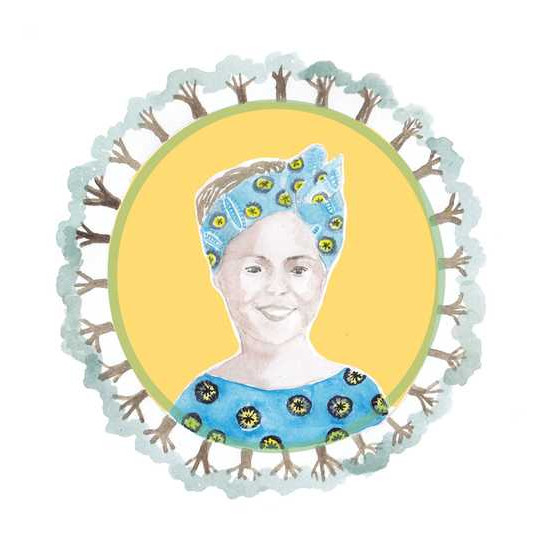
Mosirongo somoKenya koUpumezuva waAfrika momaudami gondundu zopomukunda, mukadonagona kwa rugene momapya nozina. Edina lyendi yige Wangari.
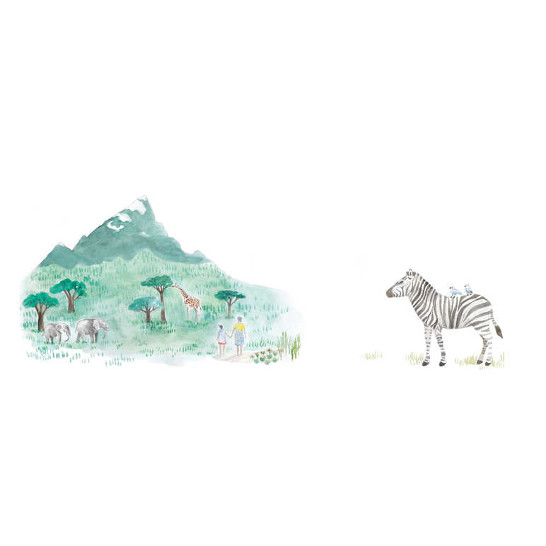
In a village on the slopes of Mount Kenya in East Africa, a little girl worked in the fields with her mother. Her name was Wangari.
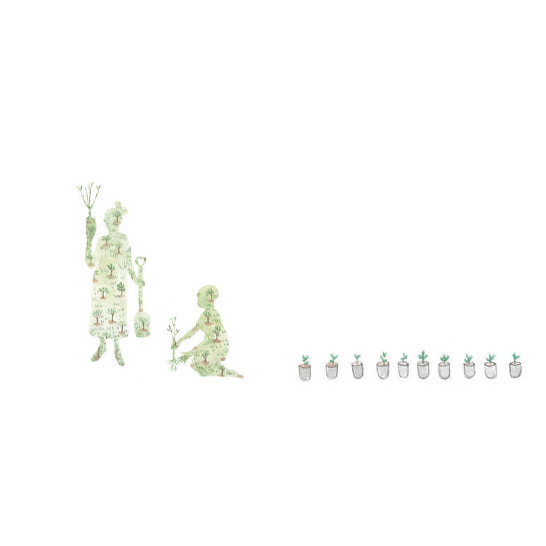
Wangari kwa here kukara ponze. Mosikunino sonondya semembo lyawo ta gagura evhu nekatana lyendi. Ta vhumbike mbutogona mevhu lyokugenya.
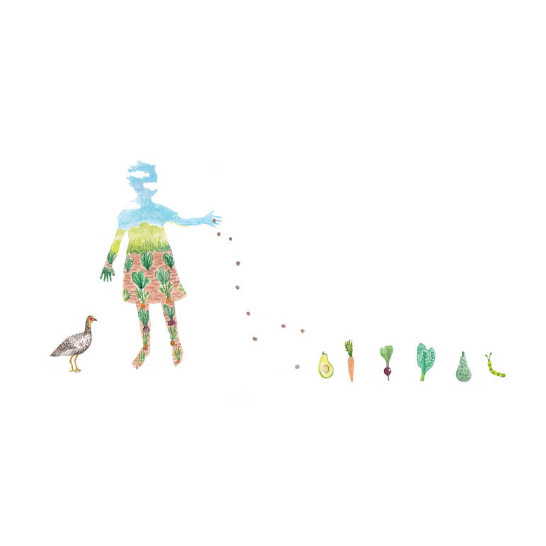
Wangari loved being outside. In her family’s food garden she broke up the soil with her machete. She pressed tiny seeds into the warm earth.
Siruwo sendi esi ga here mezuva kwa kere sokonyima tupu zokutoka ezuva. Apa gwa kere ko mundema unene gokupira kumona yimeno, Wangari yipo ga mwene asi esi yiso siruwo sokuza kembo. Age kuvhura kupita motunzira totununu kutaura momapya, kuruta mukuro apa a zi.
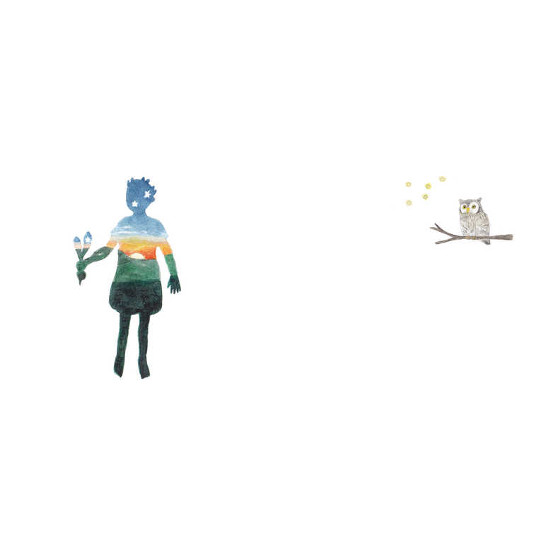
Her favourite time of day was just after sunset. When it got too dark to see the plants, Wangari knew it was time to go home.
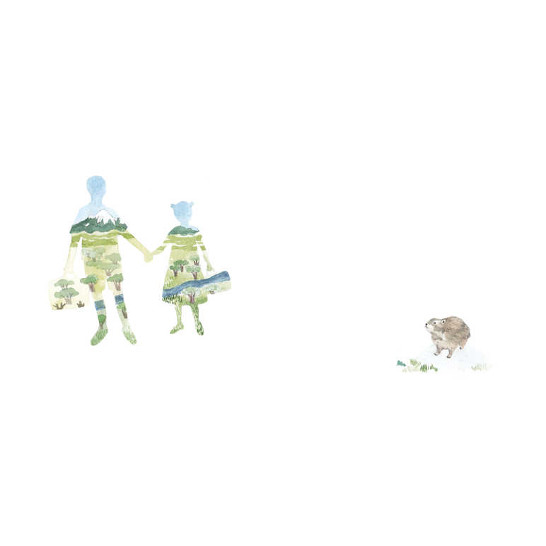
She would follow the narrow paths through the fields, crossing rivers as she went.
Wangari kwa kere munona gokukotoka ogu gahere kuza kosure. Nye ozina noguhwe awo kwa here a kare yipo ava vatere membo. Apa ga sikire ponomvhura ntambali, mukurwendi gomugara yipo ga zedere vakondi vendi va mu pulisire kuza kosure.
Wangari was a clever child and couldn’t wait to go to school. But her mother and father wanted her to stay and help them at home.
When she was seven years old, her big brother persuaded her parents to let her go to school.
Age kwa here kulironga! Wangari nga lirongo unene nene nkenye buke ezi nga resa. Age kwa tompwere unene posure yipo va mu zigidire a ka lirongere moAmerika. Wangari kwa hefe sili unene. Age kwa here kudiva unene yokuhamena uzuni.
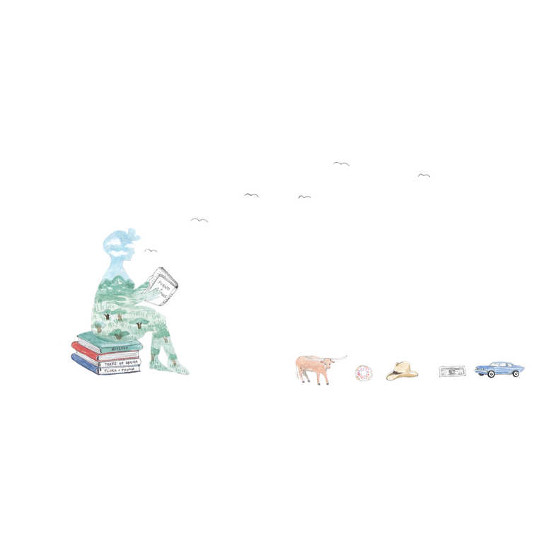
She liked to learn! Wangari learnt more and more with every book she read. She did so well at school that she was invited to study in the United States of America.
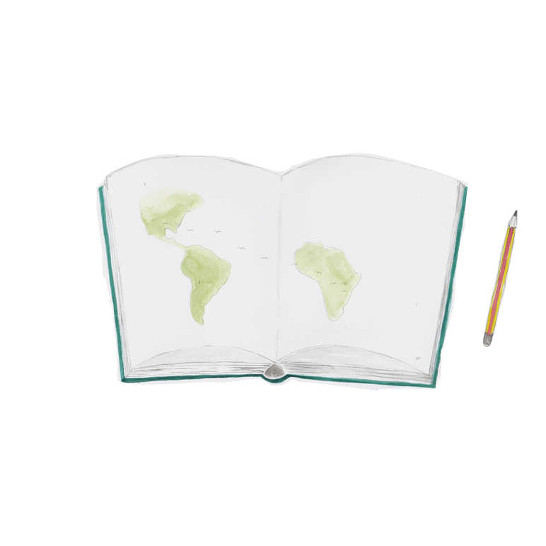
Wangari was excited! She wanted to know more about the world.
PoNkurusure zomoAmerika Wangari kwa ka lirongere yininke yoyinzi yoyipe. Age kwa ka lirongere yimeno nomu ayi kuru. Taka diworoka omu ga kulire: Kudana maudano novamumbya vendi wovamati monomundwire doyitji yomowiza woufuuli womoKenya.
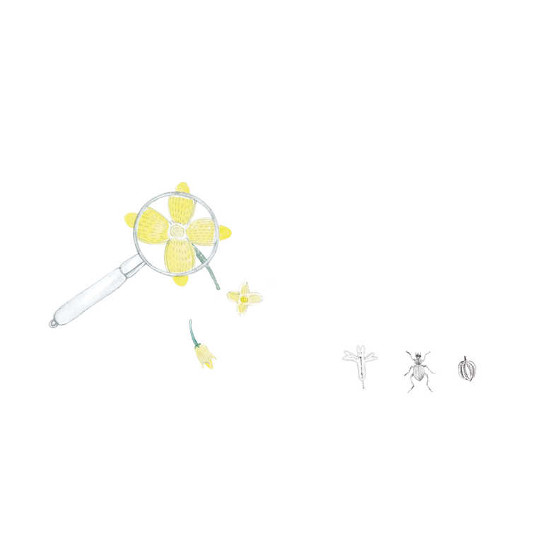
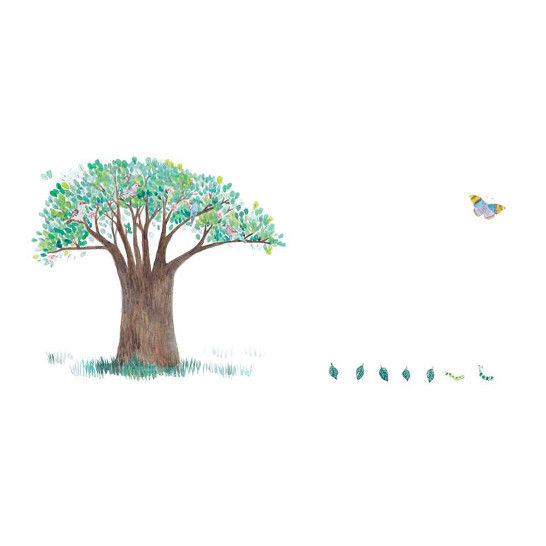
At the American university Wangari learnt many new things. She studied plants and how they grow. And she remembered how she grew: playing games with her brothers in the shade of the trees in the beautiful Kenyan forests.
Moomu ga lirongere unene, yimo ga ya dimbwilire asi age ga here vantu womoKenya. Age kwa va harerere va kare noruhafo nemanguruko. Moomu ga lirongere unene, yimo ga diworokere unene uturo wendi womoAfrika.
The more she learnt, the more she realised that she loved the people of Kenya. She wanted them to be happy and free.
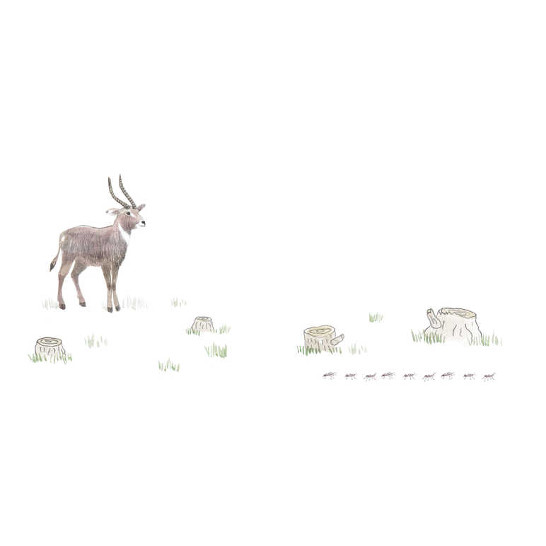
The more she learnt, the more she remembered her African home.
Apa ga mene malirongo gendi, yipo ga tengwire koKenya. Nye sirongo sendi sina litjindji. Nofarama dononene dina litwikire mwa za sirongo. Vakadi kapi va kere noyitare yokuterekesa. Vantu kwa kere moruhepo vanona kwa kere monzara.
When she had finished her studies, she returned to Kenya. But her country had changed. Huge farms stretched across the land. Women had no wood to make cooking fires. The people were poor and the children were hungry.
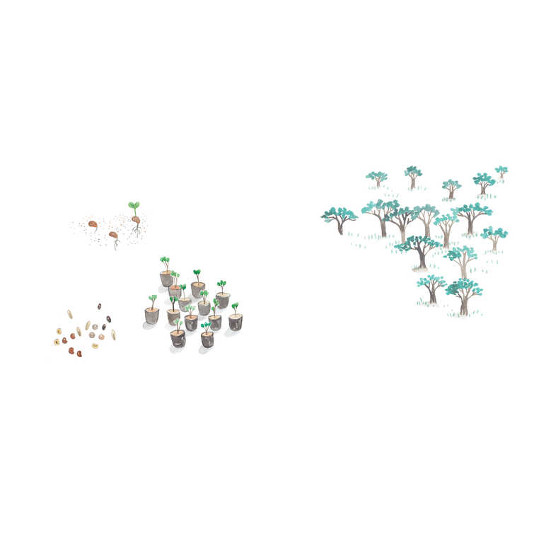
Wangari ga divire asi yisinke yokuvhura kurugana. Ga rongere vakadi omu ava tapeke yitji kutunda konombuto. Vakadi ngava randesa yitji yipo yimaliva va paparese ko nondya va rerese ko mapata gawo. Vakadi kwa hefe sili unene. Wangari ga va vaterere va lizuvhe unankondo nomukumo.
Wangari knew what to do. She taught the women how to plant trees from seeds. The women sold the trees and used the money to look after their families. The women were very happy. Wangari had helped them to feel powerful and strong.
Mokupita siruwo, yitji yoyipe tayi kuru yi kare musitu, nomukuro tadi vareke kupupa hena. Mbudi zaWangari tazi lihanene moAfrika mudima. Naina nomiliyuna doyitji eyi ya kura kwa tundilira kombuto zaWangari.
As time passed, the new trees grew into forests, and the rivers started flowing again. Wangari’s message spread across Africa. Today, millions of trees have grown from Wangari’s seeds.
Wangari kwa rugene unene. Vantu mouzuni mudima tava ya dimburura yirugana yendi nokumupa mfeto zonene. Azo kuzi tumbura asi mfuto zonene zefundo lyomfumwa, age hena kwa kere asi yige mukadi gomoAfrika goku hova kuzigwana.
Wangari had worked hard. People all over the world took notice, and gave her a famous prize. It is called the Nobel Peace Prize, and she was the first African woman ever to receive it.
Wangari kwa fire melima 2011, nye ose simpe kumugazara nkenye siruwo a tu mono yitji yoyifuuli.
Wangari died in 2011, but we can think of her every time we see a beautiful tree.


 Nicola Rijsdijk
 Maya Marshak
 Alex Kasona
 Rukwangali
 Level 3