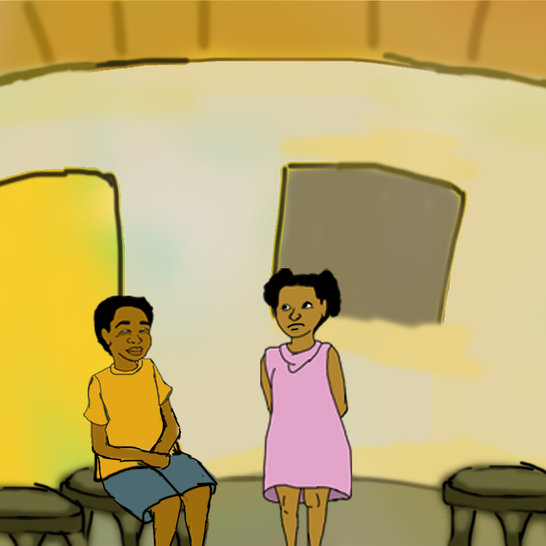
Sakima kwa tungire novakondi vendi kumwe namumbyendi gomukadona gonomvhura ne. Awo kwa tungire pevega lyomugara gongawo. Ndunda zawo zowayi kwa kere kouhura womuzaro goyitji.
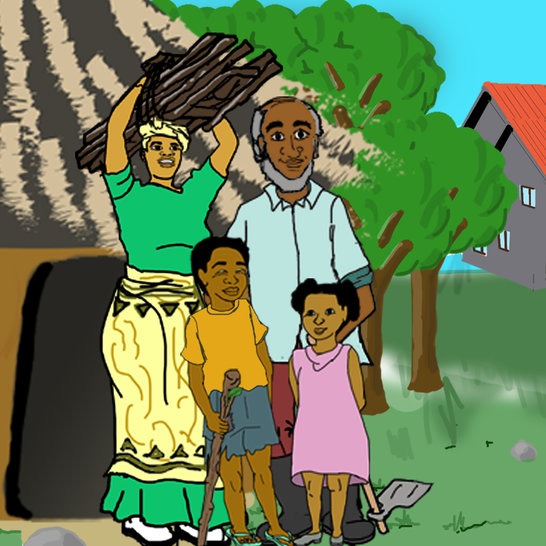
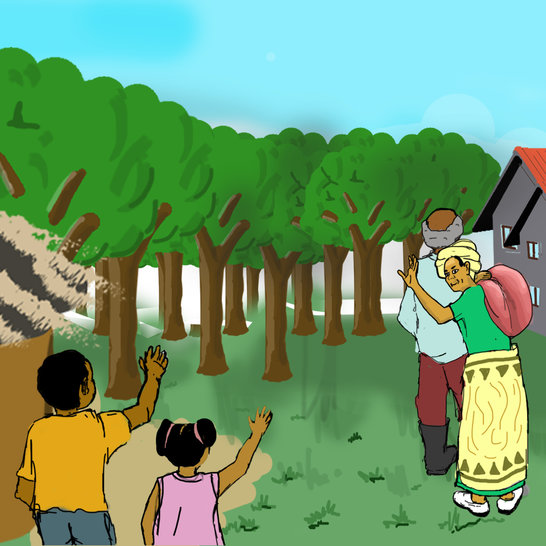
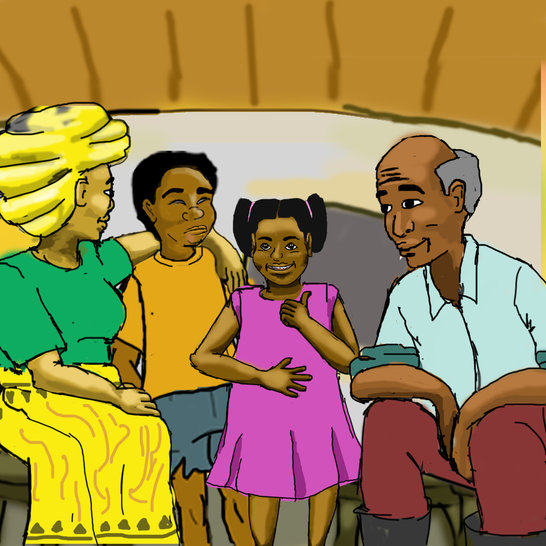
Sakima lived with his parents and his four year old sister.
They lived on a rich man’s land.
Their grass-thatched hut was at the end of a row of trees.
Apa ga gwanesere Sakima nomvhura ntatu yipo wa mu gwene uvera, makura meho gendi taga twika. Sakima kwa kere mumati gouhwi wokudiva usimbu yininke.
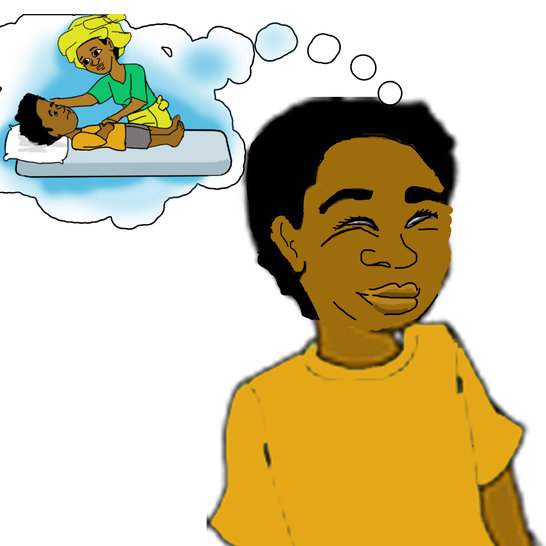
When Sakima was three years old, he fell sick and lost his sight.
Sakima was a talented boy.
Sakima nga rugana yininke yoyinzi eyi ngava pili kuvhura kurugana vamati vamwe vepupi lyonomvhura ntazimwe. Sihonena, nage nga hingire kumwe nomasimbi gomomukunda apa ngaga liyongo kuhamena maudigu gomomukunda.
Sakima did many things that other six year old boys did not do.
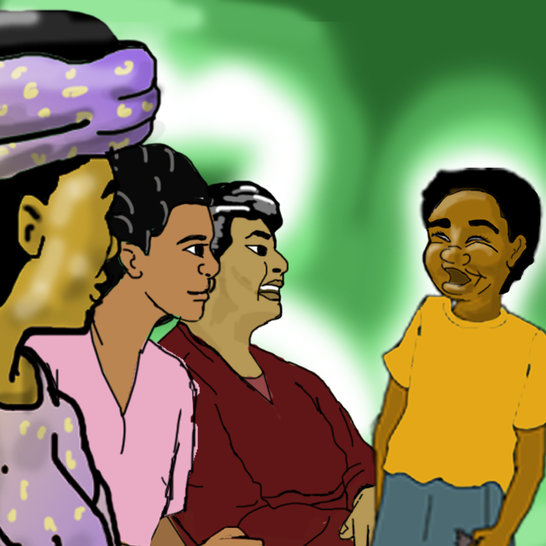
For example, he could sit with older members of the village and discuss important matters.
Vakurona vaSakima ngava rugana pembo lyomugara gongawo. Awo kwa tundire membo ngurangura zonene va ka tengwire ngurova zonene. Sakima kwa mu sigire namumbyendi gomukadona.
The parents of Sakima worked at the rich man’s house.
They left home early in the morning and returned late in the evening.
Sakima was left with his little sister.
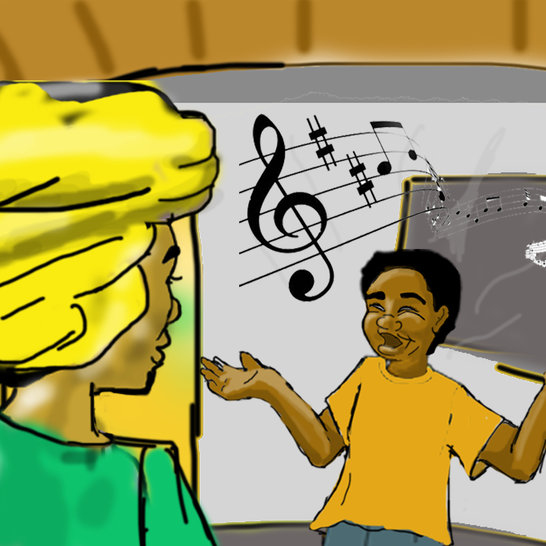
Sakima kwa here kudimba nonsumo. Ezuva limwe ozina kwa mu pulire asi, “Kupi wa di lirongera edi nonsumo Sakima?”
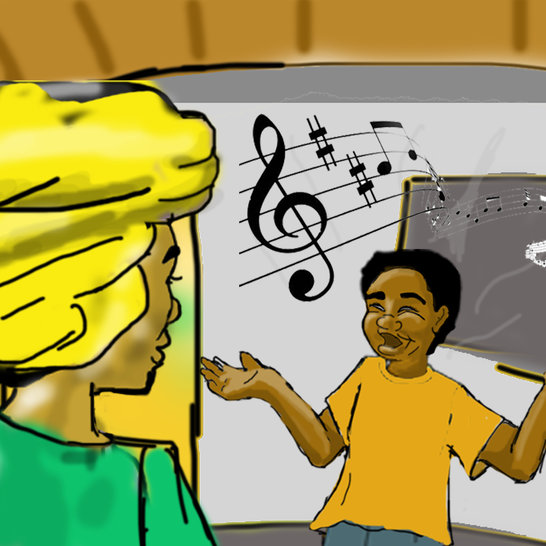
Sakima loved to sing songs.
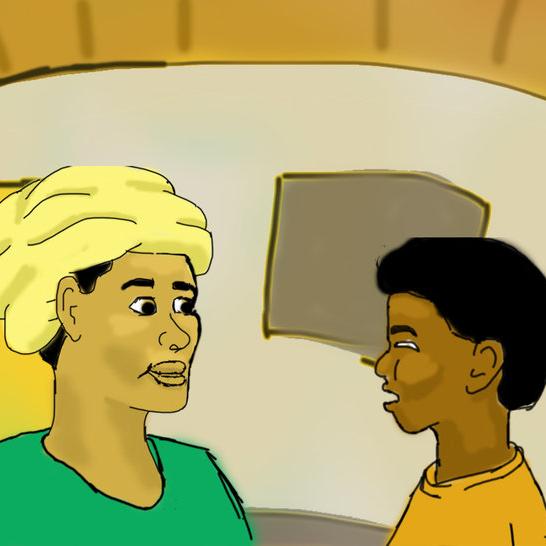
One day his mother asked him, “Where do you learn these songs from, Sakima?”
Sakima tava limburura asi “Ado kuwiza tupu momagano gange nane. Ame kudizuvha tupu momutwe gwange makura tani dimbi.”
Sakima answered, “They just come, mother. I hear them in my head and then I sing.”
Sakima kwa here kudimbira po mumbyendi, unene po paapa ngazi mu kwata nzara. Mpazendi nga purakene rusumo oru ga here unene omu ana kurumudimbira mukurwendi. Age nga vhuru kulinyunganga koutovara wongovera zorusumo.
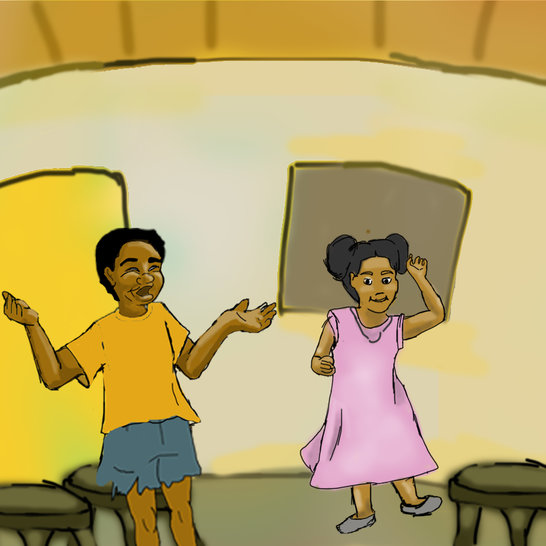
Sakima liked to sing for his little sister, especially, if she felt hungry.
His sister would listen to him singing his favourite song.
She would sway to the soothing tune.
“Kuvhura o ru dimbe kururugurura ngorooro Sakima,” Yimo ga vhulire kumulihenga mpanzendi. Sakima nage ga vhulire kuyitambura, makura taru dimbagere ngorooro.
“Can you sing it again and again, Sakima,” his sister would beg him.
Sakima would accept and sing it over and over again.
Ngurova zimwe apa va ka tengwire vakondi vendi kembo, Kwa kere vana mwena unene. Sakima ga yi divire asi po yi li yina pili kuwapa.
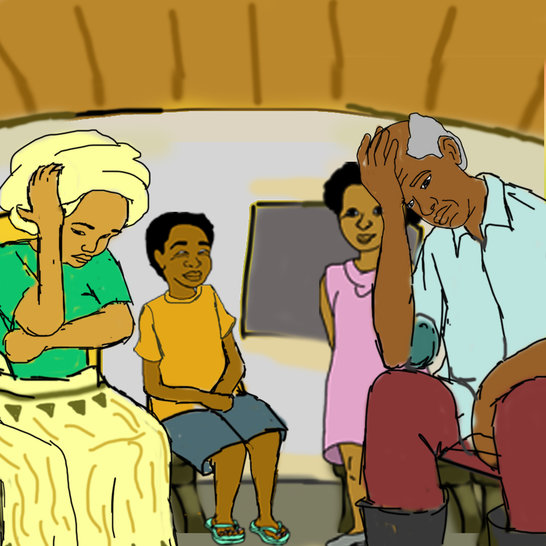
One evening when his parents returned home, they were very quiet.
Sakima knew that there was something wrong.
“Udigu Musinke muna kara nawo Nane, Tate?” Yimo ga pulire Sakima. Sakima ta ya dimburura asi muna gomugara gongawo gomumati ana zumbana. Mugara kwa guvire unene ta u mu gwana ulike.
“What is wrong, mother, father?” Sakima asked.
Sakima learned that the rich man’s son was missing.
The man was very sad and lonely.
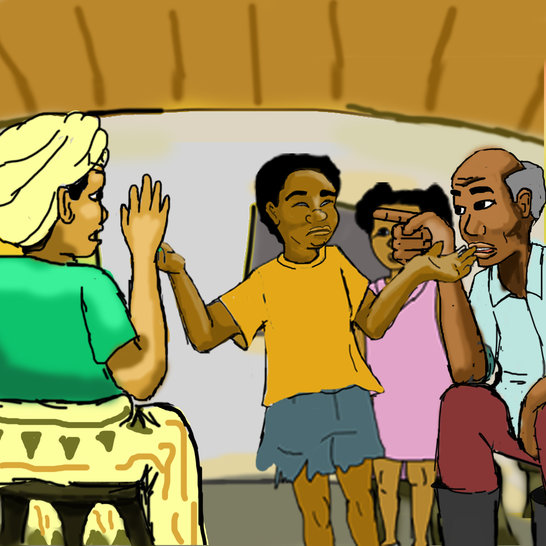
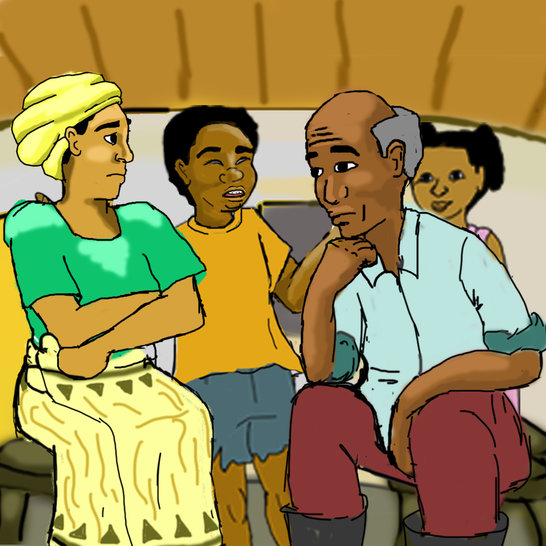
” Kuvhura ni mu dimbire po, age kuvhura a hafe hena,” Sakima yimo ga tanterere vakondi vendi. Nye vakondi vendi tava mu tundisa po. “Age mugara gongawo, nye ove mumati tupu gositwiku. Ove kuna kugazara asi rusumo roge taru mu vatere?”
“I can sing for him. He might be happy again,” Sakima told his parents.
But his parents dismissed him.
“He is very rich. You are only a blind boy. Do you think your song will help him?”
Nye nampili ngoso, Sakima kapi ga ligeve. Mumbyendi gomukadona ta mu kwatesa ko. Yipo ga uyungire asi, “Nonsumo daSakima kuna zuvhisa nge mbili apa nina zuvhu nzara. Kuvhura mugara gongawo nage di mu zuvhise mbili.”
However, Sakima did not give up.
His little sister supported him.
She said, “Sakima’s songs soothe me when I am hungry. They will soothe the rich man too.”
Ezuva lya kweme ko, Sakima yipo ga pulire mumbyendi gomukadona a mu pitisire kembo lyomugara gongawo.
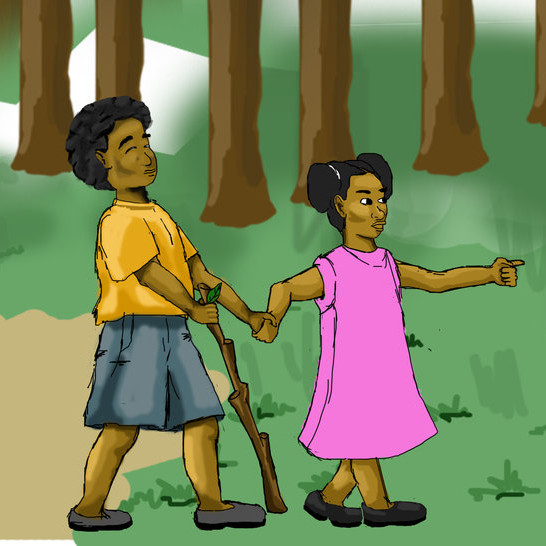
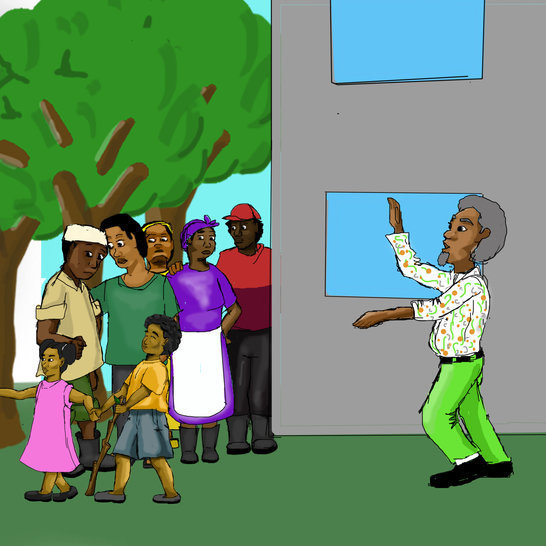
The following day, Sakima asked his little sister to lead him to the rich man’s house.
Age ta sikama pevhu lyekende limwe lyenene makura ta vareke kudimba rusumo oru ga hara po unene. Nakauke mutwe gomugara gongawo tagu vareke kumoneka mekende lyenene.
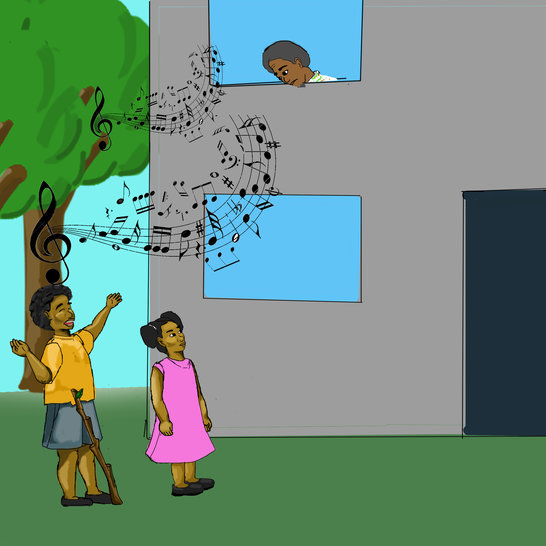
He stood below one big window and began to sing his favourite song.
Slowly, the head of the rich man began to show through the big window.
Varugani tava hageke eyi va rugene. Tava purakene korusumo roruwa rwaSakima. Nye mugara gumwe ta uyunga asi,” Kwato gumwe ogu ka vhulire kuhengaika muhona.
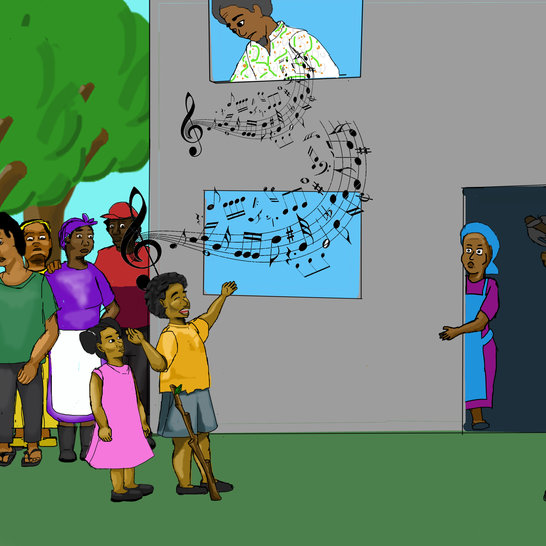
The workers stopped what they were doing. They listened to Sakima’s beautiful song.
But one man said, “Nobody has been able to console the boss. Does this blind boy think he will console him?”
Sakima ta mana kudimba rusumo rwendi, makura ta piruka a ze ko. Mugara gongawo ta duka a pwage makura ta tanta asi, “Nina kanderere, dimba po hena.”
Sakima finished singing his song and turned to leave.
But the rich man rushed out and said, “Please sing again.”
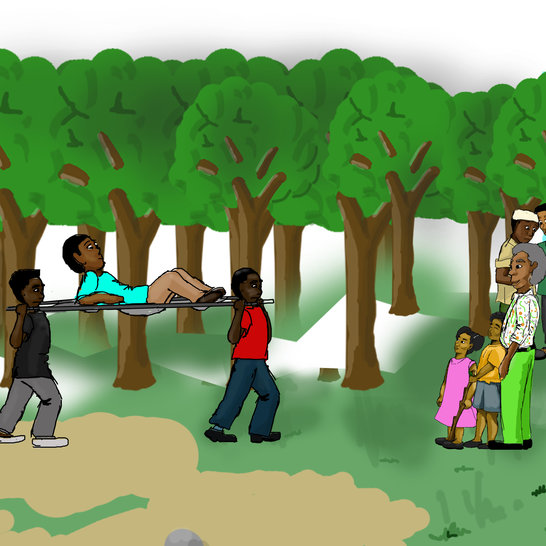
Posiruwo sooso, vagara vavali tava wiza po awo vana simbi gumwe gonompango. Vana ka gwana muna gomumati gongawo age vana mu toona vana mu sigi a rare konontere dositaura.
At that very moment, two men came carrying someone on a stretcher.
They had found the rich man’s son beaten up and left on the side of the road.
Mugara gongawo kwa hefe sili unene pokumona munendi hena. Yipo ga futire Sakima mokumuhengaika. Makura ta twara oSakima namunendi kosipangero yipo Sakima nage va ka verure meho gendi yipo ga mone hena.
The rich man was so happy to see his son again.
He rewarded Sakima for consoling him.
He took his son and Sakima to hospital so Sakima could regain his sight.